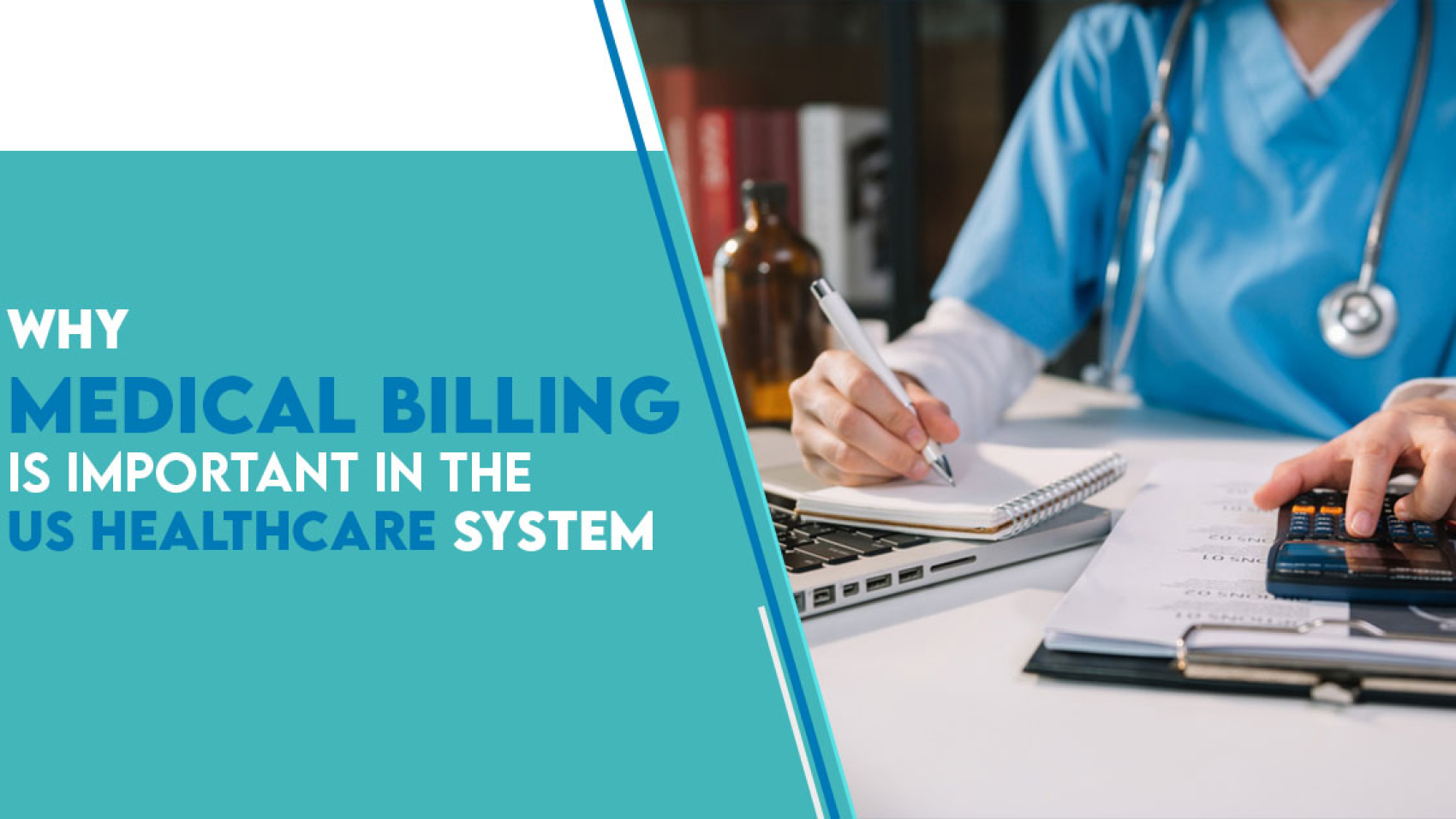
Medical Billing forms the backbone of the US healthcare financial system. Accurate coding, documentation, and claims submission ensure hospitals, clinics, and practices are reimbursed fairly and on time. In US medical billing, even minor errors can delay payments, create audit exposure, and impact operational efficiency. Understanding the importance of medical billing in the US helps providers safeguard revenue and maintain trust with both payers and patients.
Beyond financial considerations, medical billing supports regulatory compliance and enhances healthcare operations. Structured billing practices reduce administrative burden, improve reporting accuracy, and allow providers to focus on delivering high-quality patient care. Organizations like Proactive Healthcare Services help streamline these processes, ensuring compliance and revenue consistency.
How Accurate Billing Impacts Hospital Operations?
Billing accuracy directly influences a hospital’s operational performance. Effective medical billing for healthcare administrators ensures that revenue cycles are predictable, which impacts staffing decisions, technology investments, and long-term service expansion. Inaccurate billing or delays often lead to higher accounts receivable days and operational inefficiencies, affecting both administrators and clinical staff.
Healthcare billing importance also extends to data-driven decision-making. Leaders use billing information to assess payer contracts, monitor utilization trends, and evaluate departmental efficiency. By working with Proactive Healthcare Services, hospitals can implement structured billing workflows that strengthen operational oversight and reduce risk.
The Significance of Medical Billing in Healthcare
Financial stability in hospitals and medical practices depends heavily on structured billing systems. Accurate reimbursement, clear documentation, and compliance with federal and payer regulations are essential for smooth operations. Strong medical billing processes help reduce errors, protect revenue, and support responsible, efficient healthcare delivery across the organization.
Its value becomes clearer when viewed through operational and financial impact:
- Financial Stability: Maintains steady cash flow and supports effective revenue cycle management (RCM).
- Regulatory Compliance: Ensures claims follow Medicare, Medicaid, and commercial insurance requirements.
- Clear Documentation: Aligns patient care services with accurate billing records.
- Audit Readiness: Keeps documentation organized for internal reviews and external audits.
- Leadership Visibility: Provides administrators with reliable financial data and performance reports.
- Strategic Planning: Supports budgeting decisions and long-term financial planning.
When processes are structured and consistent, medical billing reduces errors, prevents payment delays, and limits compliance exposure. For US healthcare leaders, disciplined oversight remains essential for maintaining stable and compliant operations.
How Does Billing Connect with Patient Care and Compliance?
The role of billing in patient care and hospital revenue goes beyond payment processing. Clear, accurate billing reduces patient confusion, ensures timely insurance reimbursements, and minimizes disputes. Proper documentation also helps healthcare providers maintain regulatory compliance, demonstrating adherence to federal and payer standards.
Medical billing and healthcare efficiency are closely linked. Hospitals with reliable billing can allocate resources effectively, fund new programs, and hire qualified staff. Proactive Healthcare Services helps organizations integrate billing operations with compliance and operational goals, supporting smoother workflows and better patient experiences.
The Benefits of Streamlined Billing for Healthcare Providers?
Structured billing improves overall healthcare efficiency and operational performance. By reducing errors and streamlining claims processing and billing, hospitals can maintain steady revenue and optimize administrative workflows. This also frees staff to focus on patient care rather than correcting billing mistakes.
The benefits vs. risks of billing can be summarized in the following table, showing why accurate medical billing is so critical:
| Benefits of Accurate Billing | Risks of Poor Billing |
| Timely reimbursement and steady cash flow | Delayed payments and revenue instability |
| Fewer claim denials and faster insurance processing | Increased denials and administrative burden |
| Regulatory compliance and audit readiness | Higher audit risk and compliance penalties |
| Clear patient billing and reduced disputes | Patient confusion and billing errors |
| Enhanced operational efficiency and resource allocation | Reduced financial visibility and strategic control |
The importance of accurate medical billing is also evident in financial planning. Hospitals with predictable revenue can invest in equipment upgrades, advanced technology, and staff development. Proactive Healthcare Services supports providers in building these structured workflows, creating sustainable, compliant, and efficient billing practices.
How Can Organizations Ensure Regulatory Alignment and Revenue Accuracy?
US medical billing requires strict adherence to payer and federal regulations. Noncompliance can lead to claim denials, delayed payments, and potential fines. Accurate billing ensures that all services are documented correctly, reducing audit risks while safeguarding revenue streams.
Revenue cycle management (RCM) is central to this process. Integrated RCM workflows, from scheduling and coding to claim submission and follow-up, ensure consistent cash flow and operational efficiency. With Proactive Healthcare Services, healthcare organizations can implement RCM strategies that enhance billing accuracy and reduce errors.
The Key Functions Make Billing Essential in Healthcare
Critical functions of medical billing in US healthcare include insurance verification, coding accuracy, claims processing, denial management, and payment reconciliation. Understanding standard Medical Billing Terms helps billing teams maintain accuracy at every stage of this process. Each function supports financial stability while ensuring smooth daily operations within hospitals and clinics. Accurate billing directly impacts hospital cash flow, minimizes claim rejections, and reduces costly administrative rework.
The importance of billing staff in hospitals cannot be overstated. Skilled teams ensure compliance, protect revenue, and improve operational oversight. Proactive Healthcare Services provides training and strategic guidance to optimize these functions, helping healthcare organizations maintain reliable and efficient billing systems.
The Common Risks of Weak Billing Practices
Inefficient or inaccurate billing can have significant consequences. Coding errors, incomplete documentation, or delayed claims can lead to denied reimbursements, audit exposure, and financial losses. These issues reduce operational efficiency and disrupt long-term planning.
Staffing limitations further complicate billing performance. Without sufficient training and monitoring, denial rates rise, and financial impact increases. Proactive Healthcare Services emphasizes the value of structured oversight and system updates to mitigate risks and ensure stable revenue management.
Frequently Asked Questions
What is the role of medical billing in hospitals and clinics?
Medical billing converts clinical services into claims, ensuring accurate reimbursement while supporting the healthcare reimbursement process and compliance requirements.
Why is claim accuracy important for US hospitals?
Accurate insurance claims reduce denials, shorten payment cycles, and safeguard financial performance, enabling hospitals to focus on patient care.
How does billing affect operational efficiency?
Streamlined billing minimizes administrative rework, improves reporting accuracy, and provides actionable data for hospital decision-making.
What are the risks of poor billing practices?
Billing errors can lead to delayed revenue, increased audit exposure, and reduced funding for essential services.
How does proper billing support patient care?
Reliable billing ensures hospitals maintain revenue needed to staff clinics, upgrade equipment, and invest in quality improvement programs.
Conclusion
Medical billing is a cornerstone of US healthcare operations. Proper billing enhances compliance, improves revenue cycle management, and supports operational efficiency, allowing hospitals and practices to focus on patient care. Strong billing practices also reduce administrative burden and protect financial health.
Proactive Healthcare Services works with healthcare organizations to improve claims processing and billing accuracy. Their expertise helps hospitals and clinics implement structured workflows that enhance compliance, streamline operations, and support sustainable growth. Explore your options today to strengthen your billing processes and improve overall healthcare performance.
How Can PHCSS Help Improve Billing and Compliance?
Proactive Healthcare Services supports US healthcare organizations with HIPAA compliance, MIPS reporting, and HEDIS performance alignment. We work with hospitals and medical practices to strengthen documentation accuracy and improve billing monitoring within federal and payer guidelines.